Targeted treatment below the gumline to restore gum health and protect your teeth for the long term.
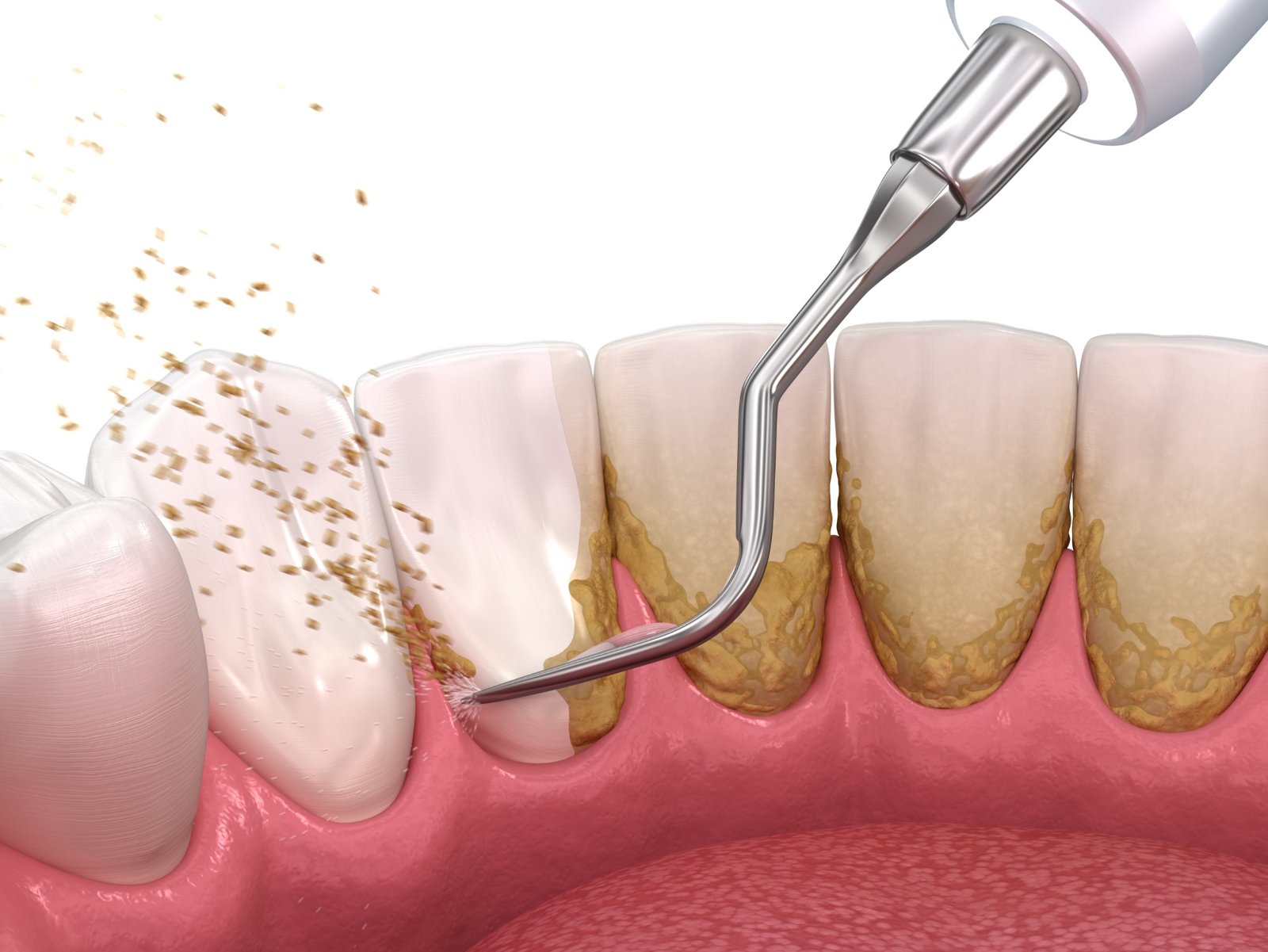
Targeting disease below the gumline.
Comfortable treatment with expert hygienists.
Stop gum disease before it progresses.
Tailored therapy for your needs.
Book a gum health assessment and find out if deep cleaning could help.
A deep clean, also known as root planing or periodontal debridement, is a more intensive cleaning procedure than a standard scale and polish. It targets plaque, tartar, and bacteria that have built up below the gumline — areas that regular brushing and even routine hygiene visits cannot reach.
At Spixworth Dental Practice, our experienced hygienists use this treatment to manage and treat gum disease (periodontitis), helping to prevent further damage and protect your teeth for the long term.
A deep clean goes significantly further than a standard scale and polish. While a routine cleaning removes plaque and tartar from the visible surfaces of your teeth and along the gumline, a deep clean works beneath the gumline to address the root cause of gum disease.
During the procedure, your hygienist carefully removes bacterial deposits from the root surfaces of your teeth and smooths them to discourage further build-up. This process — called root planing — helps your gum tissue reattach to the tooth and reduces the depth of periodontal pockets where bacteria thrive.
Deep cleaning is a non-surgical treatment for periodontitis, the advanced stage of gum disease. Left untreated, periodontitis can lead to bone loss, receding gums, and ultimately tooth loss. A deep clean is one of the most effective ways to halt this progression and restore gum health.
A deep clean is typically recommended when a gum health assessment reveals signs of periodontitis or pockets deeper than 4mm around your teeth. You may be referred for deep cleaning if you experience any of the following:
These symptoms are usually identified during a routine gum health assessment, where your hygienist or dentist measures the depth of the pockets around each tooth. If pockets are deeper than normal, it suggests that bacteria and tartar have accumulated below the gumline and a deep clean is needed to address the problem.
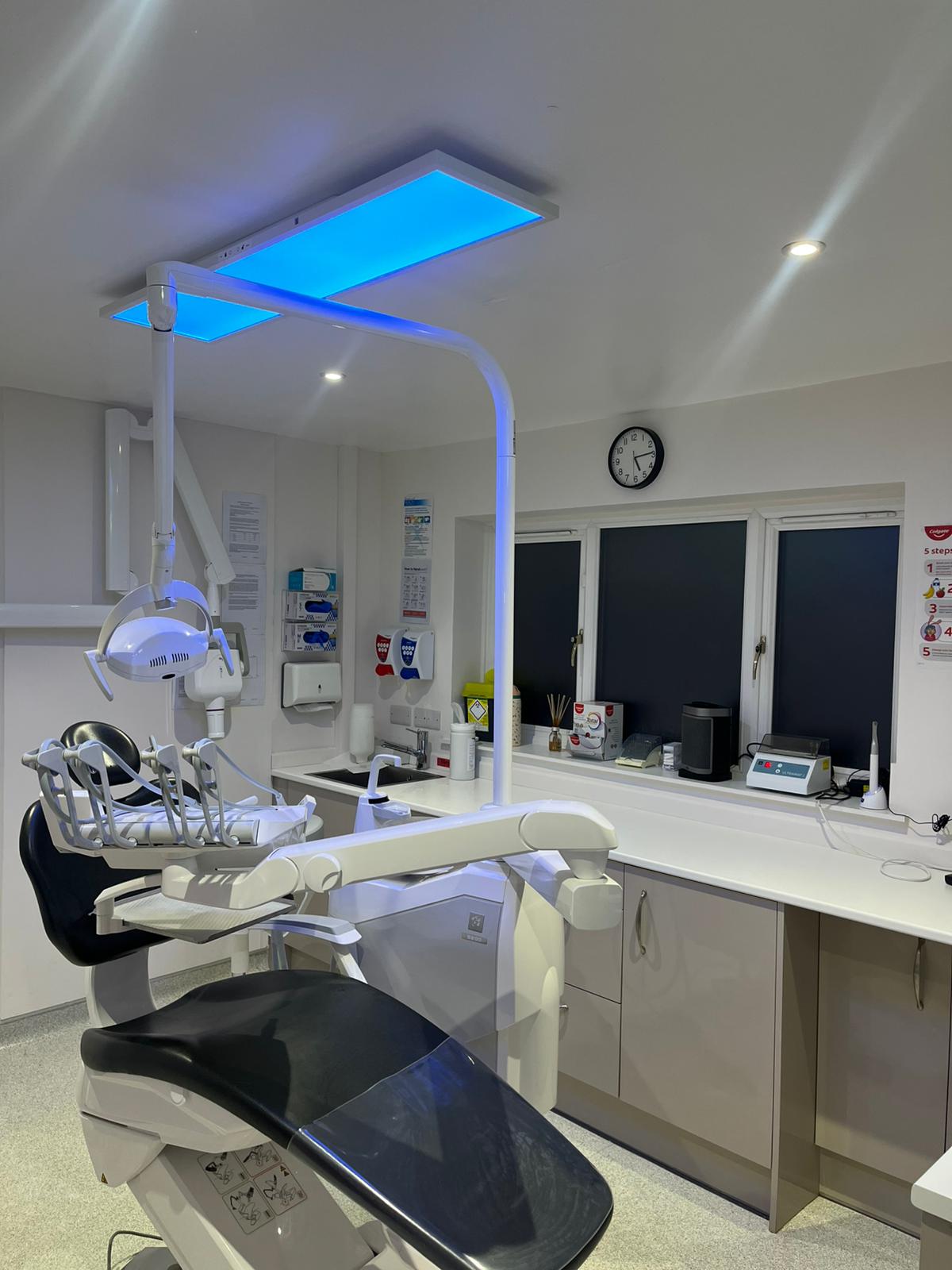
Deep cleaning is carried out by our skilled hygienists in a calm, comfortable environment. The treatment is typically completed over one or two appointments, depending on the severity of the gum disease.
Assessment — Your gum pockets are carefully measured using a periodontal probe to map the extent of the disease and plan the treatment.
Anaesthesia — A local anaesthetic is applied to numb the area, ensuring you remain comfortable throughout. For patients who are anxious, we can discuss additional options.
Root planing — Using specialist instruments, your hygienist removes tartar and bacterial deposits from below the gumline and smooths the root surfaces to help gums heal and reattach.
Review — A follow-up appointment is arranged, usually four to six weeks later, to check healing, re-measure pocket depths, and assess whether further treatment is needed.
After a deep clean, it is normal to experience some mild sensitivity and tenderness in the treated areas. This usually settles within a few days. To support healing and get the best results:
Most patients notice an improvement in gum health within a few weeks. Your gums should feel firmer, look healthier, and bleed less during brushing. Ongoing maintenance appointments will help keep gum disease under control.
Deep cleaning is available on the NHS when it is clinically necessary to treat gum disease. This falls under Band 2 treatment and provides effective periodontal therapy using standard instruments and techniques.
Private deep cleaning may include more frequent review sessions, advanced techniques, and longer appointment times. Some patients choose private treatment for a more personalised approach or to access additional therapies alongside their deep clean.
Our team will always explain your options clearly and help you choose the most appropriate route for your clinical needs and budget.
Speak to our hygienist team about deep cleaning and periodontal therapy.
Spixworth Dental Practice
86 Crostwick Lane, Spixworth,
Norwich, NR10 3AF