Dental Extractions: What to Expect and When It's Needed
At Spixworth Dental Practice, our goal is always to preserve your natural teeth for as long as possible. However, there are situations where a tooth is too damaged, decayed, or problematic to be saved — and that's when a dental extraction becomes necessary. If your dentist has recommended removing a tooth, don't worry. Modern extractions are safe, quick, and virtually painless — and we're here to support you every step of the way.
What Is a Dental Extraction?
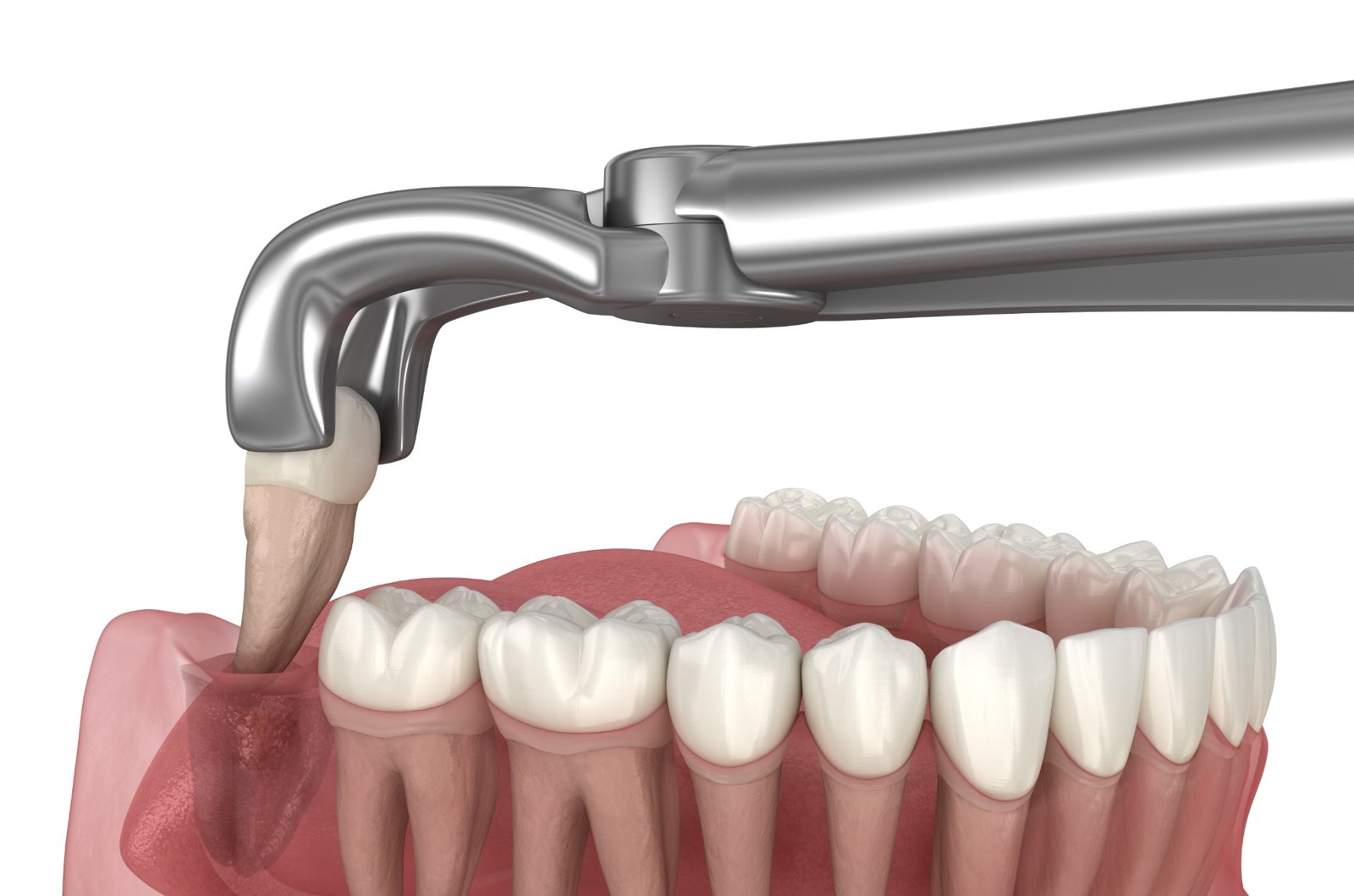
A dental extraction is the complete removal of a tooth from its socket in the jawbone. It may be needed due to:
- Severe tooth decay or infection
- Advanced gum disease
- Broken or fractured teeth that can't be restored
- Overcrowding (especially before orthodontic treatment)
- Impacted wisdom teeth
- Baby teeth that haven't fallen out naturally
Your dentist will only recommend extraction when there's no other suitable treatment option, such as fillings, crowns, or root canal therapy.
Types of Extractions
Simple Extraction
- Done on visible teeth
- Common for teeth that are loose, decayed, or damaged
- Carried out under local anaesthetic
Surgical Extraction
- Required for teeth that haven't fully erupted (e.g. wisdom teeth)
- May involve a small incision in the gum
- Sometimes requires stitches
- Carried out under local anaesthetic (with sedation if needed)
Is the Procedure Painful?
Not at all. We use effective local anaesthetic to numb the area completely — you won't feel any pain, just gentle pressure. For nervous patients, we also offer supportive techniques and can discuss sedation options for private extractions where appropriate. Our team is experienced, gentle, and trained to put your comfort first.
The Procedure
Assessment & X-rays — to determine the best approach.
Anaesthesia — numbs the area to prevent any pain.
Tooth Removal — your dentist gently rocks the tooth and removes it.
Aftercare Advice — we'll give you full instructions for healing.
Most extractions take less than 30 minutes and recovery starts within hours.
Aftercare: Healing & Recovery
After your extraction:
- Avoid hot drinks, smoking, and alcohol for 24 hours
- Stick to soft foods for the first couple of days
- Take any prescribed pain relief as directed
- Use cold compresses to reduce swelling
- Avoid disturbing the blood clot (no spitting or using straws)
Healing usually takes 7–10 days, and we're always on hand if you need support or advice during recovery.
NHS or Private?
NHS
We offer extractions under the NHS for clinically necessary cases, such as severe decay, infection, or impacted teeth.
Private
Private extractions may be offered when you require faster access to care, or you request removal of healthy teeth for cosmetic or orthodontic purposes.
Your dentist will always explain your options clearly, so you can make an informed decision.