Early detection of gum disease is key to protecting your teeth and overall health.

Catch gum disease before it progresses.
Full pocket depth measurements.
Protect teeth and bone health.
Qualified hygienists and dentists.
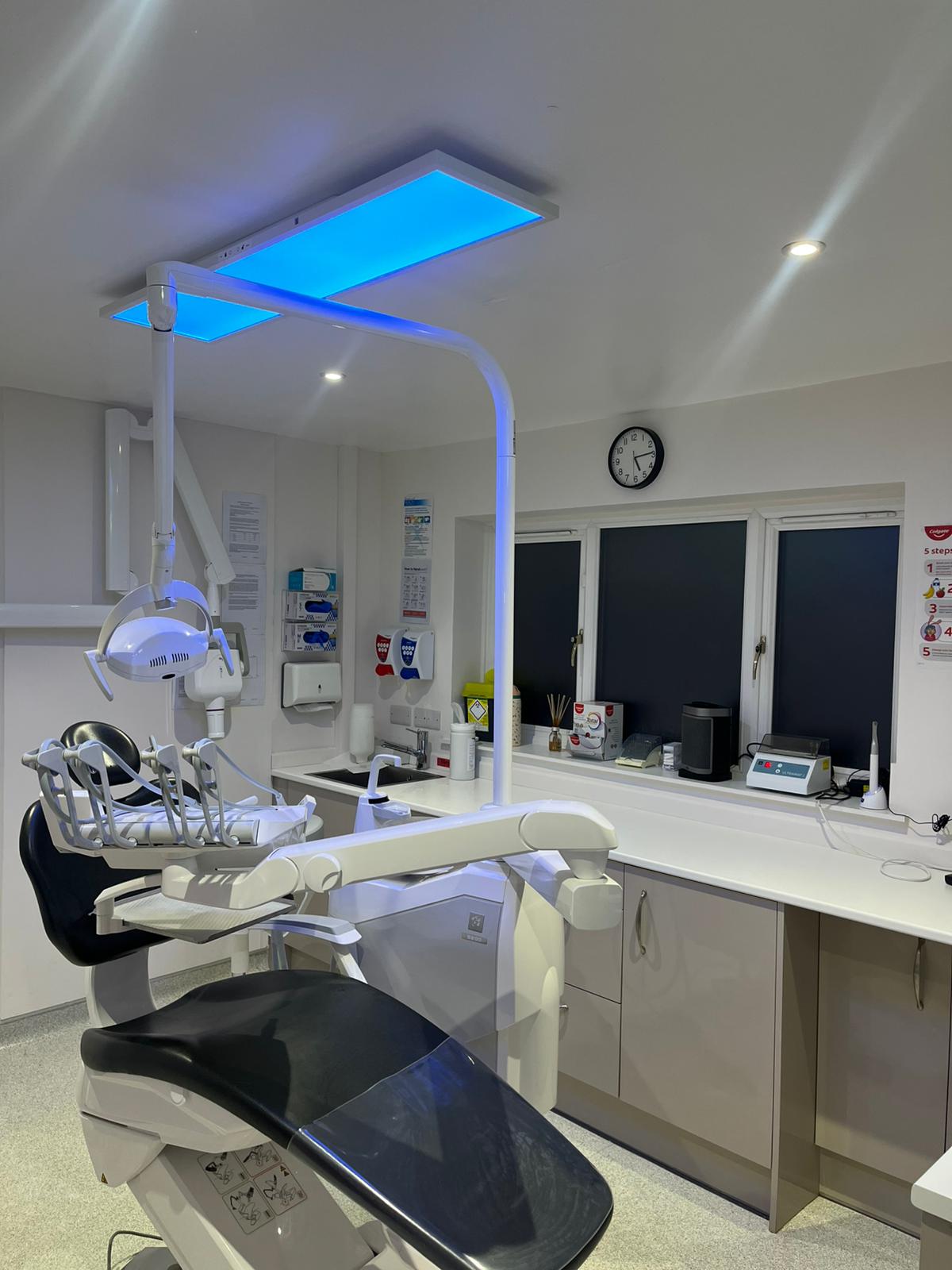
Book a gum health assessment to check for early signs of gum disease.
Gum disease is one of the most common oral health conditions — and one of the most preventable. Our gum health assessments provide a thorough evaluation of your gum tissues, identifying early signs of disease so we can act before serious damage occurs.
At Spixworth Dental Practice, we take gum health seriously. Regular assessments allow us to monitor your periodontal health, catch problems early, and keep your teeth and supporting structures strong for years to come.
A gum health assessment is a detailed clinical examination of your gums and the supporting structures around your teeth. It goes beyond what you can see or feel at home, providing a precise picture of your periodontal health.
During the assessment, your hygienist or dentist will:
Your BPE score tells us exactly how healthy your gums are and whether any treatment is needed. We will explain your results clearly and discuss the next steps together.
Gum disease develops gradually and is often painless in its early stages, which means many people are unaware they have it. Without treatment, it progresses through two main stages:
The early stage of gum disease. Gums become red, swollen, and may bleed when brushing. Gingivitis is entirely reversible with improved oral hygiene and professional cleaning.
If gingivitis is left untreated, it can progress to periodontitis — a more serious condition where the bone and tissues supporting your teeth are damaged. This can lead to tooth loss if not managed.
Beyond your mouth, research has established links between gum disease and wider health conditions including heart disease, diabetes, stroke, and complications during pregnancy. Looking after your gums is not just about your teeth — it is about your overall wellbeing.
Regular gum health assessments allow us to detect problems at the earliest possible stage, when treatment is simplest and most effective.
A gum health assessment is quick, straightforward, and should not cause discomfort. Here is what happens during your appointment:
Clinical examination — Your gums are visually assessed for redness, swelling, recession, and any other visible changes.
Pocket measurements — A thin periodontal probe is gently placed between your tooth and gum to measure pocket depth. You may feel slight pressure, but it should not be painful.
Diagnosis — Your results are scored using the BPE system and explained to you clearly, so you understand exactly where you stand.
Treatment plan — Based on your results, we will recommend the appropriate next steps — from improved home care advice to a scale and polish or deep cleaning if needed.
The entire assessment typically takes around 15 to 20 minutes and is often carried out as part of your routine hygiene appointment.
You should book a gum health assessment if you notice any of the following warning signs:
Even if you have no symptoms, regular assessments are important. Gum disease can be present without obvious signs, and early detection makes treatment far more effective.
The right treatment depends on the severity of your gum disease. At Spixworth Dental Practice, we offer a full range of options:
For early-stage gingivitis, better brushing and interdental cleaning — guided by our oral health education sessions — is often all that is needed to reverse the condition.
Professional removal of plaque and tartar from above the gumline to reduce inflammation and help gums heal. This is the most common treatment for mild gum disease.
For more advanced gum disease, periodontal therapy (root planing) removes tartar and bacteria from below the gumline and smooths root surfaces to encourage gum reattachment.
After treatment, regular review appointments ensure your gum health stays on track. We will adjust your maintenance schedule based on your individual needs and risk level.
Whatever stage of gum disease you are at, we will work with you to find the right approach and support you through treatment and beyond.
Book a gum health assessment at Spixworth Dental Practice for early detection and expert care.

Spixworth Dental Practice
86 Crostwick Lane, Spixworth,
Norwich, NR10 3AF