Saving teeth, relieving pain — comfortable, effective root canal therapy that helps you preserve your natural tooth.

Preserve natural teeth wherever possible
Remove the source of infection and pain
Clear options for your budget
Virtually painless treatment
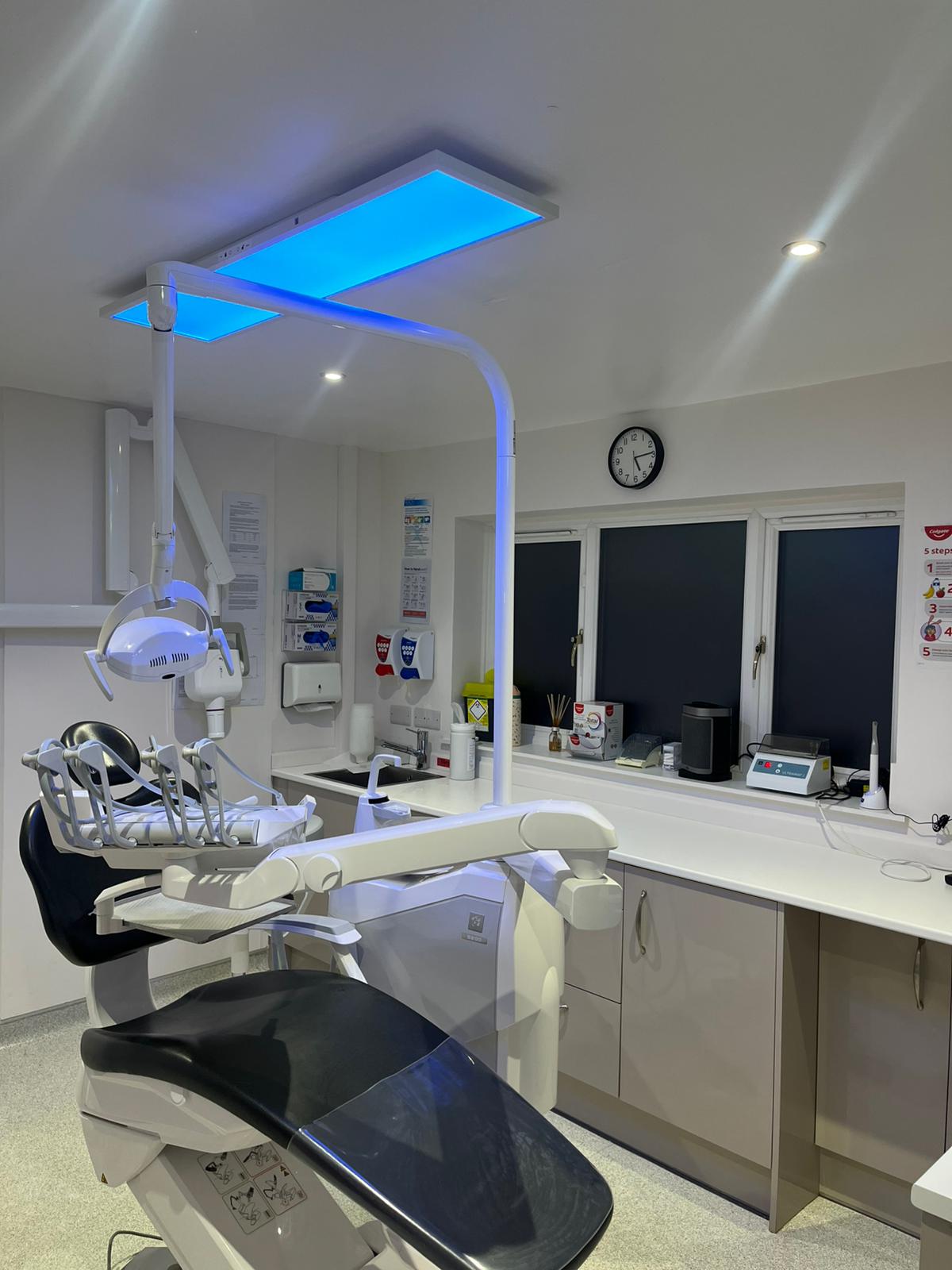
Don’t worry — modern root canals are virtually painless. Talk to our team.
When a tooth is badly decayed or infected, many people fear the worst — extraction. But thanks to modern dentistry, there’s often a better solution: root canal treatment. At Spixworth Dental Practice, we provide comfortable, effective root canal therapy that helps you preserve your natural tooth and eliminate pain. Let’s walk you through everything you need to know about this important procedure.
A root canal is a dental procedure used to treat infection at the centre (or pulp) of a tooth. This infection is usually caused by:
Inside every tooth is a space filled with nerves and blood vessels. When this area becomes infected or inflamed, it can cause severe pain, swelling, and even tooth loss if left untreated. A root canal removes the damaged tissue, disinfects the area, and seals the tooth to prevent future problems.
If you’re experiencing any of these symptoms, don’t ignore them — early diagnosis can save your tooth and spare you from more extensive treatments.
Examination & X-rays — we examine the tooth and take X-rays to assess the extent of the infection.
Anaesthesia — local anaesthetic is administered to completely numb the area. No more painful than a standard filling.
Access & Cleaning — a small opening is made in the tooth to access the infected pulp, which is then removed. The root canals are cleaned and shaped.
Filling & Sealing — once cleaned, the canals are filled with a biocompatible material and sealed.
Restoration — a filling or crown is placed to restore the tooth’s function and protect it from further damage.
Recovery is usually quick:
Not at all. Thanks to modern anaesthetics and advanced techniques, root canal treatments are virtually painless. Most patients report feeling relief after the procedure, as the source of the pain (infection/inflammation) is removed.
Preserves your natural tooth. Maintains bite alignment and jawbone health. Often avoids costly replacements like implants or bridges. Long-term solution if the tooth is structurally sound.
Removes the natural tooth permanently. Can lead to shifting teeth and bite issues. Often requires a bridge, implant, or denture later. May be necessary if the tooth is too damaged to save.
Root canal therapy, combined with proper restoration, can give your tooth a second life.
Root canals are available under Band 2 treatment when clinically necessary. Material options and turnaround may vary.
May include advanced imaging, rotary instrumentation, longer appointments, or the ability to choose premium materials and faster scheduling.
We’ll explain all your options transparently so you can decide what’s right for your comfort, time, and budget.
Speak to Spixworth Dental Practice — we can help save your tooth and relieve your pain.
Spixworth Dental Practice
86 Crostwick Lane, Spixworth,
Norwich, NR10 3AF