Everything You Need to Know About Dental Fillings
Tooth decay is one of the most common dental issues — but thankfully, it's also one of the easiest to treat. At Spixworth Dental Practice, we offer dental fillings as a safe, effective, and long-lasting solution to restore damaged teeth and prevent further decay. Whether you're experiencing discomfort or your dentist has spotted a cavity during a check-up, here's what you need to know about fillings.
What Is a Dental Filling?
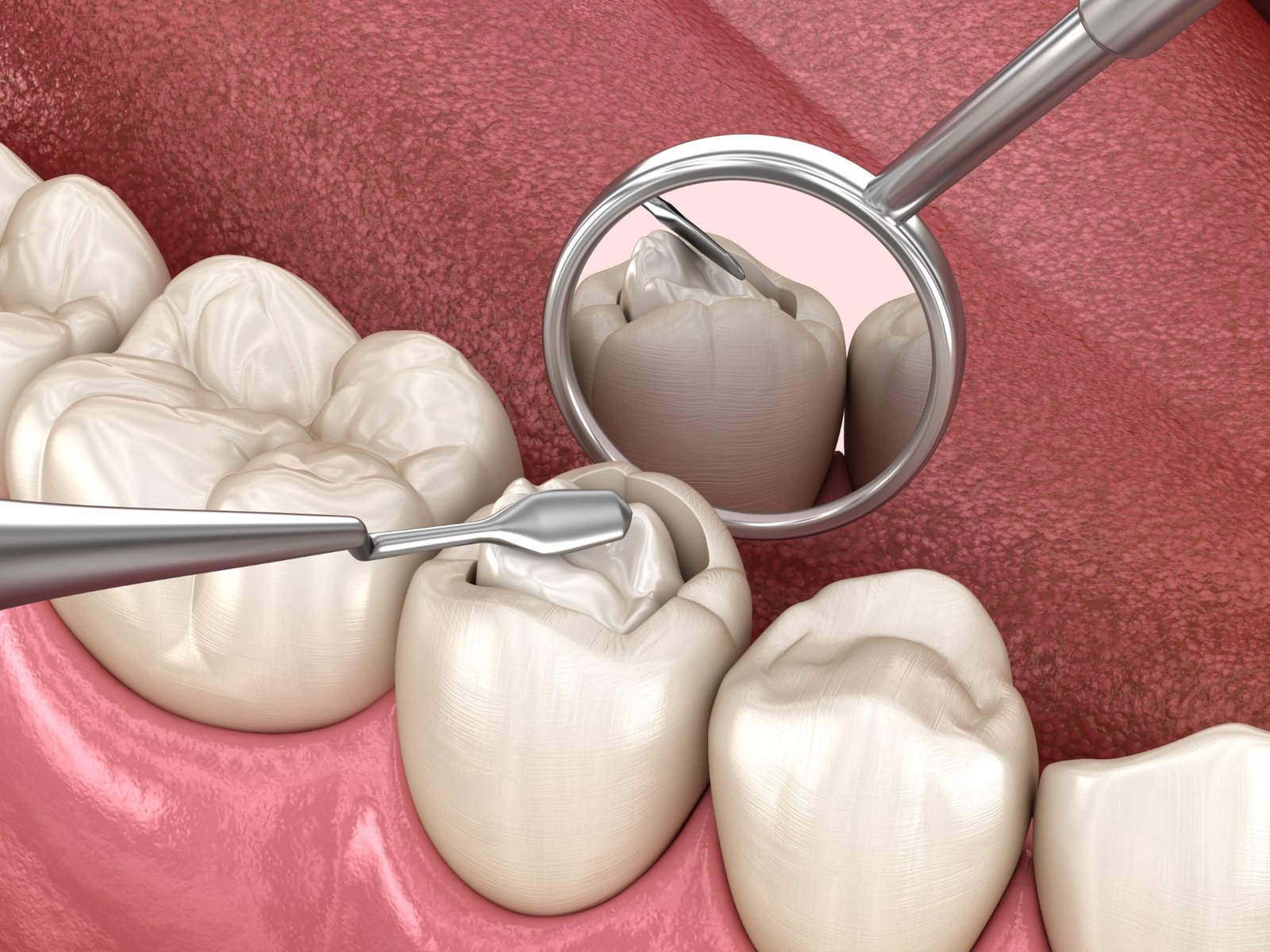
A dental filling is a restorative material used to fill the hole left behind by decay. It seals the cavity and restores the function, shape, and strength of your tooth. If left untreated, a small cavity can grow into a painful infection or require more complex treatments like root canal therapy. That's why early intervention is key — and fillings offer a simple, straightforward fix.
Signs You Might Need a Filling
Not all cavities cause pain at first, which is why regular dental check-ups are essential. However, you might need a filling if you experience:
- Tooth sensitivity (especially to sweets, cold or hot foods)
- A visible hole or dark spot on your tooth
- Sharp pain when biting or chewing
- Food getting stuck in one particular area
- A chipped or cracked tooth
If any of these symptoms sound familiar, book a dental assessment to catch the problem early.
Types of Fillings We Offer
At Spixworth Dental Practice, we offer a range of filling materials to suit both NHS and private patients.
Amalgam Fillings (NHS & Private)
Traditional silver-coloured fillings made from a mixture of metals. Used safely in dentistry for over 150 years, they remain one of the most durable options available.
- Extremely durable (10–15 years+)
- Ideal for back teeth
- Cost-effective and widely available
Composite Fillings (NHS & Private)
Tooth-coloured fillings made from a blend of resin and fine glass particles, carefully shade-matched to blend seamlessly with your natural teeth.
- Virtually invisible
- Suitable for front and back teeth
- Bonds directly to the tooth structure
Glass Ionomer Fillings (NHS & Private)
A tooth-coloured material made from acrylic and glass powders. Unique because it releases fluoride over time, helping to protect the surrounding tooth from further decay.
- Releases fluoride for ongoing protection
- Good option for children and baby teeth
- Useful for fillings near the gum line
Your dentist will help you choose the best type based on the location of the cavity, your preferences, and whether you're being treated under the NHS or privately.
The Procedure
Numbing — we apply a local anaesthetic to keep you completely comfortable.
Decay Removal — the damaged part of the tooth is gently removed.
Cleaning — the cavity is cleaned and prepared.
Filling — we place and shape the filling material.
Polishing — the filling is polished and checked for a perfect bite.
You can eat and drink shortly afterwards (once the numbness wears off), and any sensitivity usually disappears within a few days.
How Long Do Fillings Last?
- Amalgam fillings: 10–15 years or more
- Composite fillings: 5–10 years, depending on location and care
- Glass ionomer: 3–5 years (varies)
Good oral hygiene, regular dental check-ups, and avoiding hard or sticky foods can help extend the life of your fillings.