Missing teeth can affect how you eat, speak, smile and feel day-to-day. Dental implants can provide a stable foundation for replacement teeth, helping to restore both function and appearance.
At Spixworth Dental Practice, we’ll guide you through the available options clearly, explain suitability, and help you understand whether implant treatment is right for your health, lifestyle and goals.
What Are Dental Implants?
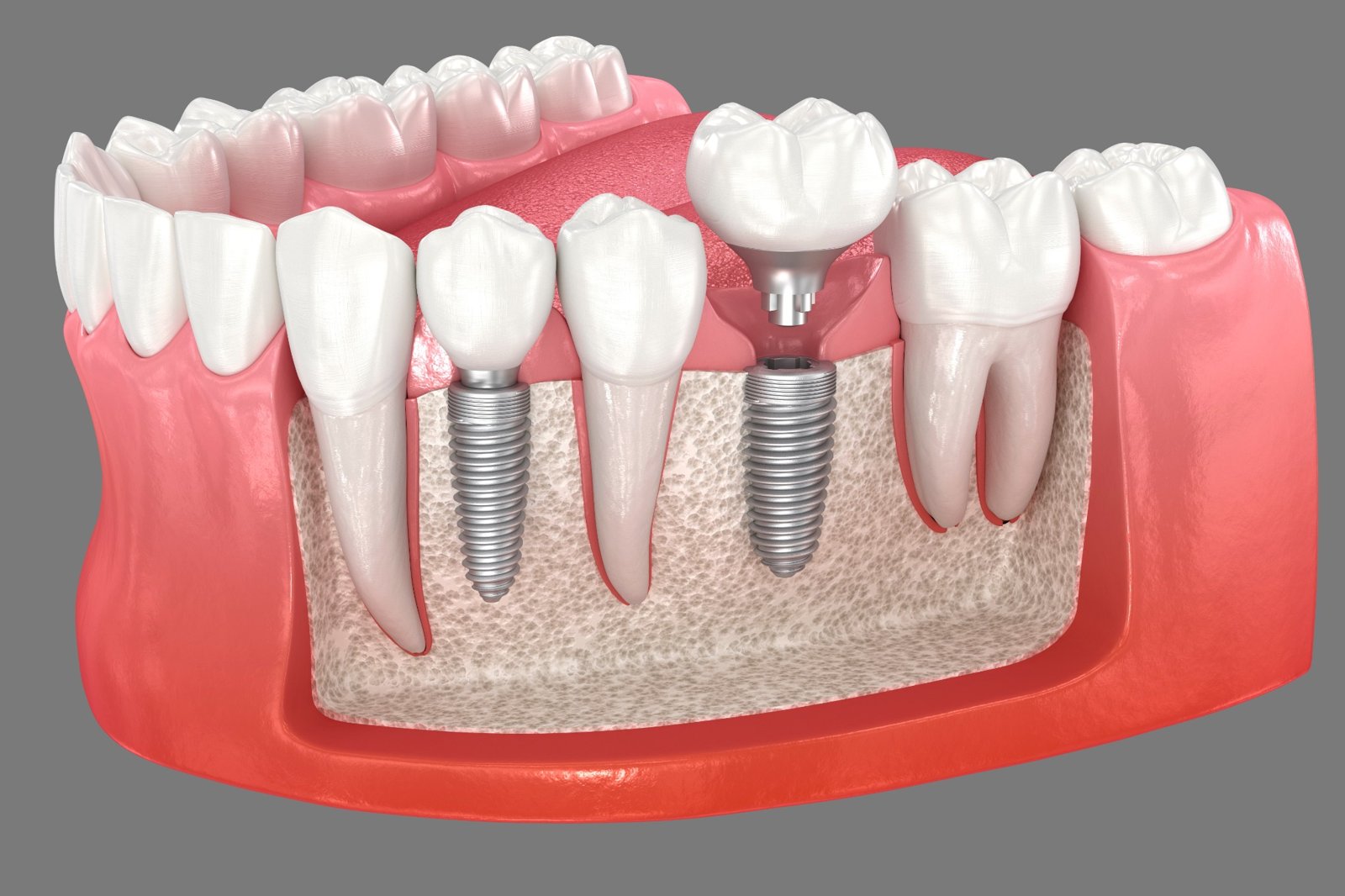
A dental implant is a small titanium post placed into the jawbone to act as an artificial tooth root. Once healed, it can support a crown, bridge or denture, depending on how many teeth are being replaced.
Implants are designed to feel stable and natural, helping to restore chewing function and reduce movement compared with some removable options.
NHS or Private?
NHS Implant Support
NHS funding for implants is limited and typically reserved for specific clinical cases such as trauma or developmental conditions.
Private Implant Care
Most implant treatment is provided privately, allowing detailed planning and a wider choice of replacement options.
We’ll explain all your options clearly so you can make an informed decision about your treatment.
Are Dental Implants Suitable for You?
Suitability depends on your oral health, gum condition, bone levels, medical history, smoking status and your overall treatment goals. A full assessment is needed before confirming whether implants are appropriate.
Oral Health
Healthy gums and good oral hygiene are important before implant treatment begins.
Bone Support
There needs to be enough bone to support the implant, or additional treatment may be discussed.
Medical History
Some health conditions and medications can affect healing and treatment planning.
Lifestyle Factors
Smoking and home care routines can affect long-term implant success.
Implant Treatment Options
Dental implants can be used in several ways depending on how many teeth are missing and what type of replacement is most suitable.
Single Tooth Implant
An implant can support a single crown where one tooth is missing.
Implant Bridge
Several missing teeth may sometimes be replaced with a bridge supported by implants.
Implant-Retained Denture
Implants can help stabilise a denture and reduce unwanted movement.
Full Arch Options
For multiple missing teeth, a larger implant-supported solution may be considered after assessment.
What to Expect From the Process
1
Consultation — discuss your missing teeth, goals and treatment expectations.
2
Assessment — review oral health, gum condition, bite and bone support.
3
Planning — explain suitable options, timescales, costs and alternatives.
4
Treatment — implant placement and healing stages are carefully managed.
5
Restoration — the crown, bridge or denture is fitted and reviewed.
Caring for Dental Implants
Implants require regular care, just like natural teeth. Good daily cleaning and routine dental reviews help protect the gums and tissues around the implant.
Brush thoroughly every day
Use interdental brushes or floss as advised
Attend regular dental and hygiene appointments
Avoid smoking where possible, as this can affect healing and long-term health
Ready to discuss dental implants?
Speak to Spixworth Dental Practice about the best way to replace missing teeth and restore confidence in your smile.