Dental X-rays are a fundamental part of your oral health journey. At Spixworth Dental Practice, we use safe, fast, and effective intraoral X-rays to detect dental problems early — often before you feel any symptoms. Whether you’re visiting us as part of your routine NHS care or for a private consultation, dental X-rays help us ensure your teeth, gums, and jaw are as healthy as they feel.
What Are Dental X-Rays?
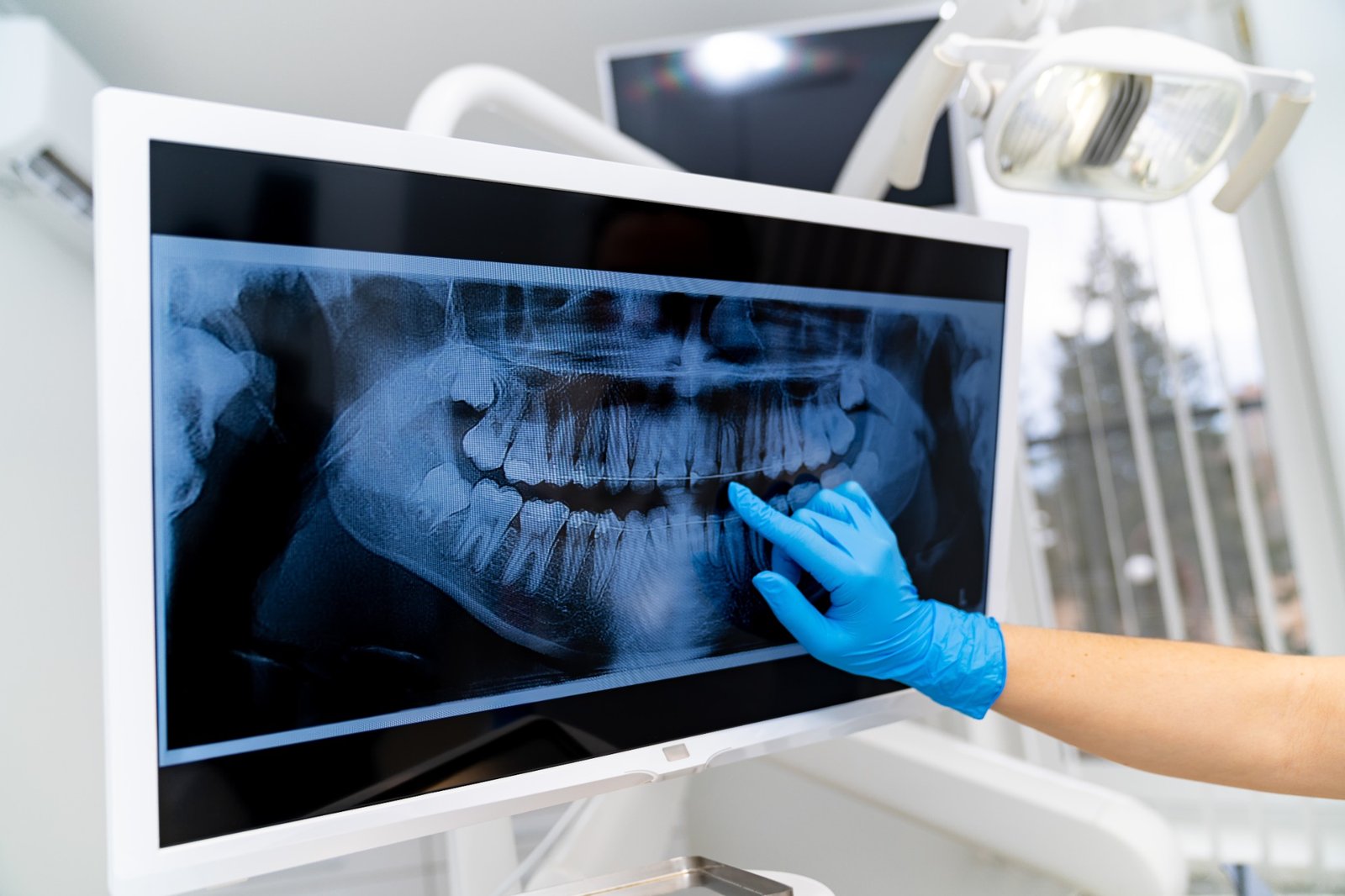
Dental X-rays (also called radiographs) are images that allow your dentist to see what’s happening beneath the surface of your teeth and gums. While your dentist can detect a lot during a physical examination, X-rays give a much deeper insight — quite literally. At our practice, we use intraoral X-rays, which are taken inside the mouth and are the most common type used in general dentistry.
Types of Intraoral X-Rays We Use
Bitewing X-Rays
Used to check for cavities between your teeth. Often taken during routine check-ups.
Detects cavities between teeth
Taken during routine check-ups
Helps assess bone levels and signs of gum disease
Periapical X-Rays
Focus on one or two teeth at a time. Shows the entire tooth — from crown to root tip.
Shows entire tooth from crown to root tip
Useful for diagnosing abscesses and root issues
Detects deep decay beneath the surface
Occlusal X-Rays
Captures the entire arch of your upper or lower teeth.
Shows full upper or lower arch
Helps identify extra teeth or jaw fractures
Useful for detecting cysts or abnormalities
Benefits of Dental X-Rays
Early Detection: Catch decay, infections, or bone loss before they become painful or costly.
Treatment Planning: Supports everything from fillings and crowns to root canals.
Safe and Quick: Modern digital X-rays use minimal radiation and are over in seconds.
Painless and Comfortable: No needles, no recovery time — just a quick, simple scan.
Are Dental X-Rays Safe?
Yes, absolutely. At Spixworth Dental Practice, we follow strict NHS and safety guidelines to minimise your exposure to radiation. In fact, the amount of radiation from a standard dental X-ray is lower than what you’re exposed to on a short flight.
We only take X-rays when clinically necessary — whether it’s your first visit, a routine check-up, or a follow-up for treatment.
How Often Should You Get X-Rays?
The frequency depends on your age, dental history, and overall oral health. As a general guideline:
Children and teens: May need X-rays more often due to rapid growth and cavity risk.
Adults: Typically every 12–24 months, unless there’s a specific concern.
High-risk patients (e.g., gum disease, smokers): May need them more frequently.
Your dentist will always explain why an X-ray is needed and ensure you’re comfortable with the process.
Due for a check-up?
Speak to Spixworth Dental Practice about your routine dental care, including X-rays when clinically necessary.